Digital loyalty card for your restaurant
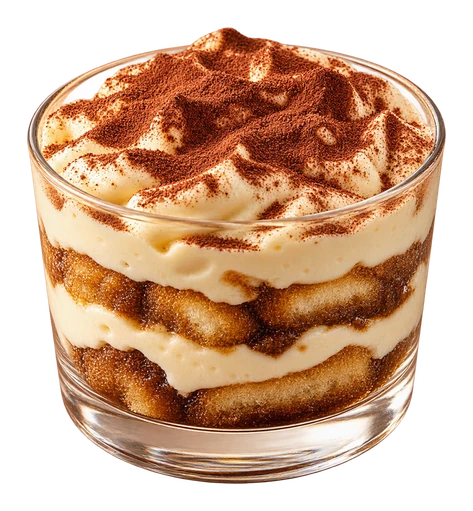
A free dessert at 100 points, and no card sleeping at the bottom of a bag.
An example rule : 100 points = 1 free dessert
Fictional shops, shown as examples.
- The customer keeps the card in the phone, not in the wallet.
- Points follow the amount of the bill.
- You see who comes back, and who has stopped.
Lunch service rolls on, the tickets line up at the pass, and nobody wants to talk loyalty when the bill arrives. A digital loyalty card for a restaurant lives in the customer’s phone Wallet: she shows it, the waiter scans it, and points follow the amount of the meal.
At the counter, three steps
- Step 1 :
The QR code on the table or at the till: the customer scans while picking a dessert.
- Step 2 :
With the bill, the waiter scans and types the amount: points are added.
- Step 3 :
At 100 points, a dessert is on the house at the next meal.
Why a paper card falls short
One meal a month, a card nobody can find
People dine with you once a month, sometimes less.
The bill is not one more thing to do
By the end of the meal the waiter already holds the terminal, the change and three tables to close.
A table of six counts for one
A business lunch or a family dinner is nothing like a lone plate of the day.
The regular and the one-night guest look alike
On a Saturday night you cannot tell who comes back and who will only come once.
Your card, ready in ten minutes
Fourteen days free, no commitment.
Ideas to reward and win back
- A free dessert at 100 points
- One stamp per lunch menu, if you prefer
- Win back the guest who stopped coming
- Fill a quiet Tuesday night
- A Google review after the free dessert
Questions shop owners ask
Whoever brings the bill scans the card with their own phone, in a few seconds. If you prefer, the host or the till takes care of it. The scanner is a web page, with no hardware to buy. Try it first on a quiet service, before the rush.
For those, very little, that is true. The card is for the regulars of the lunch trade and the neighbourhood. It also shows who came once and never returned, and the Growth plan lets you write to them, with no promise of how many will come back.
No. Fidz works next to your software, with no integration: you scan with a phone and type the amount of the bill for the points. You replace nothing, you add one gesture. It also means the amount is typed by hand.
Points are added by your team, never by the customer. A balance cap, a delay between two scans and the “To approve” queue limit abuse, and the history shows who added what. You keep control of every addition.
Other shops
Your regulars deserve better than a lost card.
14 days to try it, no commitment. We help you build the card, by email.