
Digital loyalty card for your wine shop
An example rule : Milestones at 100, 200 and 400 points
Your regulars hear about new arrivals first.
Fictional shops, shown as examples.
Ready in three steps
- You pick this model and put it in your colours.
- Your customers scan the QR code: the card lands in their Wallet.
- One visit, one stamp. At the reward, the screen lights up.
Antoine has 165 points at Cave Millésime: the next milestone is at 200 points.
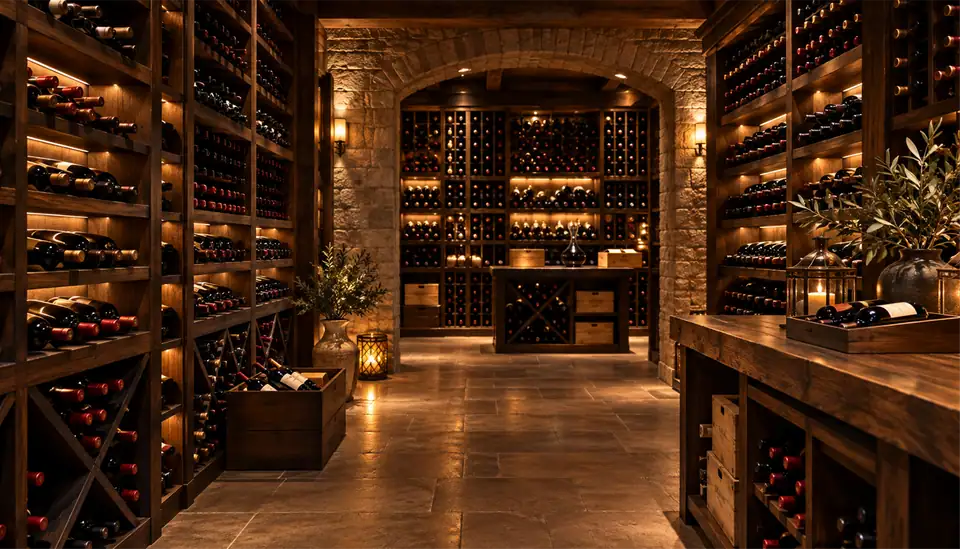


Photo stamps for your wine shop, or your own picture.
A digital loyalty card for a wine shop is a points card that lives in the customer’s Apple Wallet or Google Wallet. Each purchase adds points at the scan, and milestones at 100, 200 and 400 points open a reward on the cellar.
People come to a wine shop for a recommendation, not for a card. Still, a bottle for Friday, a case for a wedding, a gift for the boss: every purchase adds up, and a paper card cannot add them up. This one shows the customer where they stand, and tells you who your regulars are.
Why a paper card falls short in this trade
A bottle for a weeknight, a case for a party
A stamp counts the visit, not the bottle. The customer who buys a case for a party and the one who buys a single bottle for supper end up with the same card, which is neither fair nor encouraging.
Your best customers are the ones you cannot name
The person who buys a case before every holiday is worth knowing by name. On paper, you have a signature at most. Here, a first name and a number tell you who they are and when they last came.
Gift buyers never fill a card
Someone who buys one expensive bottle as a present twice a year will never fill a card meant for frequent small purchases. The card sits in a drawer, and the customer sees nothing in it.
New arrivals reach nobody
A new producer, a small allocation, a bottle you tasted last week. You tell the people in the shop, and the rest do not hear. On paper, you have no way to reach the others.
At the counter, in practice
The A4 poster stands on the counter by the till, near the bottle you have open for tasting. The customer scans the code while you wrap their bottle, types a first name and a number once, and adds the card in two taps. At the next purchase, you scan the card from their screen and add the points. The lock screen shows the new balance, and the card shows how many points remain to the next milestone. No equipment beyond a phone, whatever till you use.
Reward and win-back ideas
Milestones that grow with the customer
Set rewards at 100, 200 and 400 points. The first is easy to reach, and the last is a goal for your best customers. The card shows how many points are left before the next milestone.
New arrivals first, to the regulars
When a new vintage lands, a broadcast tells your card holders before anyone else. They hear it from you, not from a shelf. Broadcasts are part of the Growth plan at €39 a month, with 10 a month.
A small gift on the customer’s birthday
A birthday message with a small gift for the customer is remembered for a long time. Choose a reward that suits your margin. The birthday automation comes with the Growth plan.
A gift for the quiet weeks
A gift valid until a set date can pull customers in after the festive season, when the till is quiet. Gifts with a deadline are included in the Growth plan, at €39 a month.
Win back the case buyer
A customer who bought a case before Christmas and nothing since can receive an automatic message in the spring. The win-back automation is part of the Growth plan.
Questions shop owners ask
Some will not, and a card cannot reach a customer without a compatible smartphone. Those who do have one need only a first name and a number, once. Offer it to the regulars who ask, and see during the trial who scans.
You choose the reward and the milestones, so you can keep them at a level your margins allow. Fidz does not read your prices or your till, and it never gives a discount you did not set.
With Growth, a broadcast can announce an evening, up to 10 campaigns a month. It reaches only people who already have the card. It is not a booking system: Fidz does not take reservations, so keep that part separate.
Size does not matter for the card. What matters is whether people come back. The dashboard lists your clients and their visits, and you can export them as CSV at any time. The trial lasts 14 days, so you can judge before paying.
Other shops
Your regulars deserve better than a lost card.
14 days to try it, no commitment. We help you build the card, by email.